
The Tibet Train, officially known as the Qinghai-Tibet Railway, is an engineering marvel connecting Xining to Lhasa. As the world’s highest railway, it reaches an elevation of 5,100 meters above sea level, spanning approximately 1,956 kilometers. The journey takes around 20 hours, offering breathtaking views of the Qinghai-Tibet Plateau, Kunlun Mountains, and Tanggula Mountain ranges.
All Tibet Trains are equipped with oxygen supply systems to help passengers adjust to the high altitude. Comfortable cabins feature air conditioning, sleeping berths, and seating options. Onboard amenities include dining cars, restrooms, and medical centers with trained staff.
Since its inauguration in 2006, millions of travelers have chosen the train to enter Tibet. Beyond the stunning scenery, taking the train offers a practical advantage: gradual acclimatization. Unlike flying directly to Lhasa, the slow ascent allows your body to adjust naturally, reducing the risk of altitude sickness and helping you begin your Tibet journey feeling healthy and energized.
Due to the factors mentioned above, traveling to Tibet by train has become quite popular among tourists. Therefore, Tibet train tickets are in high demand. It can be challenging for foreigners to purchase train tickets on their own, particularly during the busy tourist season. Tibet Nature Tour can assist each traveler in arranging a Tibet Train Ticket to Lhasa.
However, it might be difficult to ensure the availability of a Soft Sleeper or First Class berth, particularly from Chengdu, Shanghai, Xi’an, or Beijing.
Attention: Train tickets will start to sell 15 days before the train departure date. If you book the trip with us before 20 days of your trip’s start date, it normally won’t be an issue for us to arrange the train ticket accordingly. We can organize your train ticket reservations with ease during the winter when there are fewer travelers visiting Tibet.

Xining is the best option for taking the train. Since Xining is located at a height of around 2,700 meters, there are often 5 to 7 trains operating to Lhasa each day. It will take around 24 hours to travel by rail from Xining. To check the Train Schedules, click here.
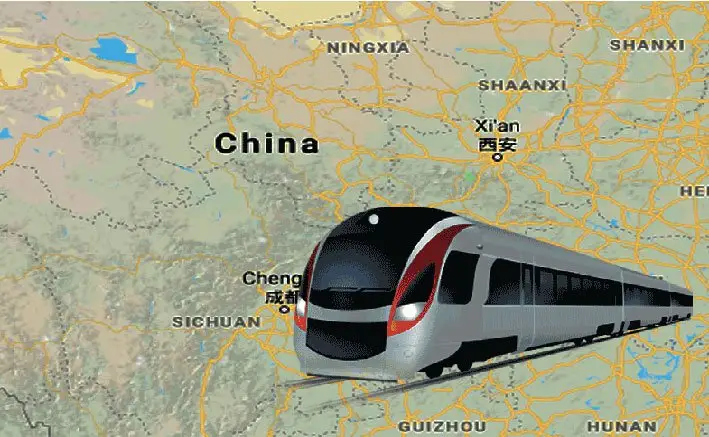
| Route | Duration | Distance | Frequency (2026) | Soft Sleeper | Hard Sleeper |
|---|---|---|---|---|---|
| Xining → Lhasa | 20–21 hours | 1,972 km | Daily (multiple trains) | CN¥781 | CN¥495 |
| Lanzhou → Lhasa | 22–23 hours | 2,188 km | Daily (4 pass-by trains) | CN¥823 | CN¥522 |
| Chengdu → Lhasa | 34 hours 31 minutes | ~3,000 km | Every other day (Z322) | CN¥997.5 | CN¥627.5 |
| Beijing → Lhasa | 39 hours 58 minutes | 3,757 km | Daily (Z21) | CN¥1,144 | CN¥720 |
| Shanghai → Lhasa | 45 hours 3 minutes | 4,373 km | Daily (Z164) | CN¥1,262.5 | CN¥793.5 |
| Guangzhou → Lhasa | 53 hours 27 minutes | 4,980 km | Daily (Z264) | CN¥1,468 | CN¥865 |
Note: Timetables and prices are subject to change. Please check with your travel agency for the most up-to-date information when booking.
Tibet Travel Permit Required: You must present your printed copy of the Tibet Travel Permit along with your passport to board any train to Lhasa.
Ticket Booking: Train tickets go on sale 15 days in advance and sell out quickly. It is highly recommended to book through your travel agency, as they can secure tickets with a service fee (CN¥200–1,000 depending on season and city).
Oxygen Supply: All trains to Lhasa are equipped with a centralized oxygen supply system after passing Golmud, helping passengers acclimatize to the high altitude.
Xining Transfer: Most trains from mainland cities require a transfer in Xining to the oxygen-supplied train. This is part of the journey, and you will need to move your luggage.
Soft Sleeper Recommended: For comfort on these long journeys (up to 2 nights), soft sleeper cabins with 4 berths and doors are highly recommended.

